
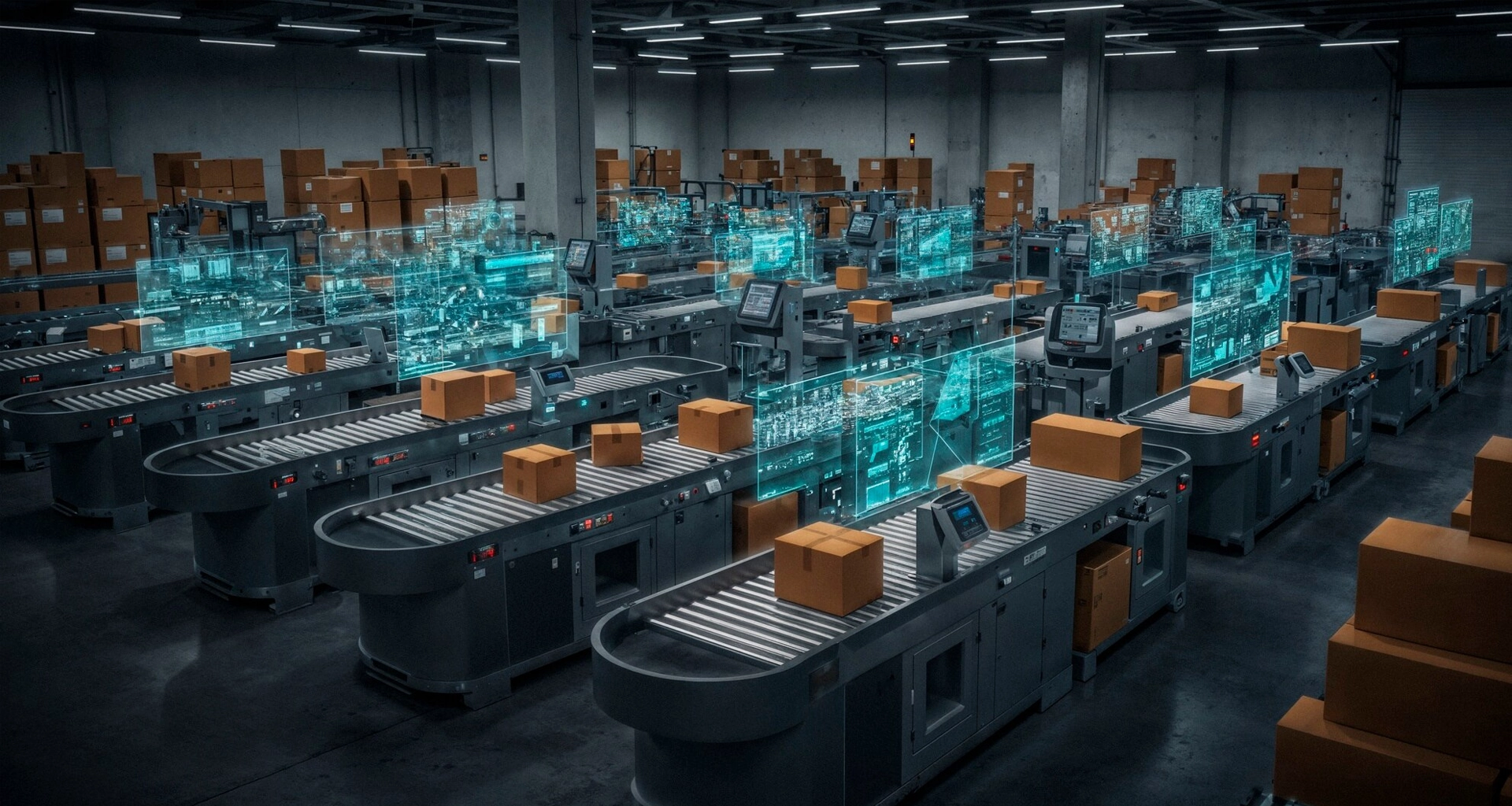
A mid-sized electronics retailer grappled with inventory errors and slow order processing, frustrating customers. By adopting a smart warehouse system, they automated stock tracking and streamlined picking, slashing errors and speeding up deliveries. This transformation showcases the power of smart warehouse technology in revolutionizing operations. From reducing costs to boosting accuracy, smart systems drive efficiency. Without them, businesses risk delays and lost trust. Let’s explore how smart warehouses redefine logistics and set the stage for success in today’s fast-paced markets.
What Is a Smart Warehouse?
A smart warehouse is an advanced facility that leverages automation and technology to optimize operations. Key components include AI for demand forecasting, IoT sensors for real-time tracking, robotics for material handling, and cloud-based WMS for coordination. For example, a clothing retailer used IoT to monitor stock levels, preventing shortages. Unlike traditional warehouses, smart warehouse management systems enhance efficiency, accuracy, and scalability. In 2024, 85% of warehouses adopted smart technologies to meet rising demands (Gartner). These systems integrate data and automation, transforming logistics into a strategic asset.
How Smart Warehouse Systems Drive Operational Excellence
Smart warehouse systems revolutionize operations by delivering unmatched efficiency and precision. They streamline processes, reducing manual tasks and errors. A grocery chain, for instance, used automation to speed up order fulfillment, delighting customers. Key benefits include:
- Enhanced Efficiency: Robotics and AI automate repetitive tasks, like sorting, cutting processing times.
- Improved Accuracy: Barcode and RFID systems ensure precise inventory tracking, minimizing errors.
- Faster Fulfillment: Real-time data optimizes picking and packing, accelerating deliveries.
- Cost Reduction: Automation lowers labor costs, while optimized space reduces overhead.
- Scalability: Smart systems adapt to demand spikes, supporting growth.
These advantages align with modern supply chain needs, ensuring competitiveness. By adopting smart logistics warehouses, businesses boost productivity and customer satisfaction, turning warehouses into strategic hubs.
From Traditional to Intelligent: Manual vs. Smart Warehouses
The shift from traditional to smart warehouses marks a leap in efficiency. Below is a comparison highlighting key differences:
| Aspect | Traditional Warehouse | Smart Warehouse |
|---|---|---|
| Inventory Tracking | Manual counts, prone to errors | Automated via RFID, IoT; real-time accuracy |
| Order Processing | Paper-based, slow picking | AI-driven picking, rapid fulfillment |
| Labor Dependency | High, repetitive manual tasks | Low, robotics handle repetitive work |
| Data Insights | Limited, delayed reports | Real-time dashboards, predictive analytics |
| Scalability | Rigid, struggles with demand spikes | Flexible, adapts to growth |
| Energy Use | Inefficient, high consumption | Eco-friendly, optimized with sensors |
A furniture retailer transitioned to a smart warehouse, cutting errors and costs. Unlike manual systems, smart setups drive agility and precision, meeting modern demands.
Core Technologies Powering Smart Warehouse Management
Smart warehouse management systems rely on cutting-edge technologies to optimize operations. Key technologies include:
- AI and Machine Learning: AI forecasts demand, while ML optimizes picking routes. A tech retailer used AI to predict stock needs, avoiding overstock.
- IoT Sensors: Sensors monitor inventory, temperature, and equipment, ensuring real-time visibility. IoT helped a food distributor maintain cold-chain integrity.
- Robotics and AGVs: Automated guided vehicles and robots handle sorting and transport, boosting speed. Robots streamlined packing for an apparel brand.
- Warehouse Management System (WMS): Cloud-based WMS coordinates tasks, integrating with ERP. A toy manufacturer used WMS for seamless order tracking.
- Barcode and RFID: These ensure accurate tracking, reducing errors. RFID aided a cosmetics firm in stock audits.
- Predictive Analytics: Analytics anticipate disruptions, guiding decisions. Predictive tools helped a beverage company adjust logistics.
These technologies create an interconnected ecosystem, enhancing efficiency and adaptability. By leveraging them, smart warehouses meet evolving market needs, ensuring operational excellence.
Smart Logistics Warehouse in Action: Process Flow & Real-Time Coordination
A smart logistics warehouse optimizes every stage, from inbound to last-mile delivery, using technology for seamless coordination:
- Inbound Operations: IoT sensors verify shipments, while WMS assigns storage. A grocery chain used sensors to streamline receiving, reducing errors.
- Storage Management: AI optimizes space, placing high-demand items accessibly. Robotics store goods efficiently, saving space.
- Pick-Pack-Ship: Automated picking routes and robotic packing speed up orders. An electronics retailer accelerated packing with robots.
- Last-Mile Coordination: Real-time WMS integrates with TMS, optimizing delivery routes. AI ensured timely deliveries for a furniture brand.
Real-time dashboards provide visibility, enabling quick adjustments. Unlike manual processes, smart warehouse systems synchronize tasks, ensuring speed and accuracy. This interconnected flow supports customer satisfaction and operational agility in dynamic markets.
Building Blocks of a Smart Warehouse System: Must-Have Functionalities
A smart warehouse system requires key functionalities to achieve intelligence:
- Real-Time Dashboards: Provide instant insights into inventory and operations, aiding decisions. A clothing retailer used dashboards to spot bottlenecks.
- Automation: Robotics and conveyors handle repetitive tasks, boosting speed. Automation streamlined sorting for a tech firm.
- Seamless Integrations: WMS connects with ERP, TMS, and CRM, unifying data. Integration helped a toy brand align logistics.
- Scalable Architecture: Adapts to growth, handling demand spikes. Scalability supported a cosmetics firm during peak seasons.
- Energy Management: Sensors optimize lighting and HVAC, cutting costs. Energy tools aided a beverage company’s sustainability goals.
These features ensure efficiency, adaptability, and transparency, transforming warehouses into strategic assets. Without them, systems lack the agility needed for modern smart warehouses.
Future-Ready Warehousing: What’s Next for Smart Warehouse Technology?
The future of smart warehouse technology is shaped by emerging trends:
- Cloud-Based WMS: Enhances scalability and remote access, streamlining operations. A retailer used cloud WMS for global coordination.
- Predictive Logistics: AI anticipates demand and disruptions, optimizing flows. Predictive tools will drive proactive planning.
- Sustainable Design: Green materials and renewable energy reduce impact. Sustainability will align with consumer values.
- Autonomous Vehicles: Drones and self-driving trucks enhance last-mile delivery. Autonomy will boost efficiency.
In 2024, these innovations gained traction, promising agility and eco-friendliness. By embracing them, smart logistics warehouses will stay competitive, meeting future demands with precision and sustainability.
A Smarter Path to Success
Smart warehouse technology transforms operations, delivering efficiency, accuracy, and scalability. From AI-driven insights to robotic automation, these systems redefine logistics. In 2024, 80% of smart warehouse adopters saw faster fulfillment (Supply Chain Dive). Explore tools like 3SC Supply Chain’s Warehouse Management Systems at 3scsupplychain.com or email contact@3scsupplychain.com. Embrace smart warehousing for a competitive edge.